Posts

Showing posts with the label #Recycle promotional items

Get to Know the Benefits of Recycling & How SwagCycle Makes Making a Difference Easier
Image
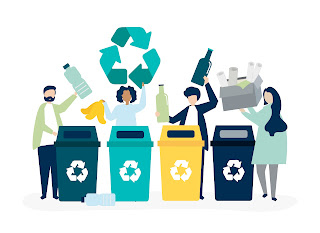
 If you're passionate about making a positive difference in your community and around the world, then you likely already know that recycling is one of the best ways to reduce your negative environmental impact. But do you really know all the ins and outs of why recycling is so important for our planet? It's not just about throwing out empty soda cans; this activity plays a huge role in helping us protect our environment — from reducing emissions to preserving natural resources. 

How to Repurpose and Recycle Obsolete Branded Merchandise

Image
 Are you looking for ways to reduce your consumer waste and simultaneously promote your brand? There is an answer – repurposing obsolete branded merchandise. By upcycling these items, you can save money on the usual promotional products such as SwagCycle and branded apparel, while still creating a unique product that speaks directly to your target audience.

10 Tips For Protecting The Environment With Your Recycle Items

Image
It's no secret that promotional items and swag can be a huge help in marketing your company or event. But when you're done with them, what do you do with all of those T-shirts, tote bags, and pens? Here are 10 ways to reuse or recycle your  leftover promotional items  so you can help the environment and stay stylish at the same time! 1.) Swap Leftover Swag With A Competitor. As an avid recycler myself, I always make sure to save my old mugs for this purpose. A simple Google search will yield lots of people who are willing to pay cash or store credit on sites like Craigslist, Kijiji, eBay Classifieds, Facebook Marketplace, etc. for their favorite brands. Also, don't forget about your friends and family! They'll probably love to take home a free t-shirt or two for their kids. 2.) Donate Leftover Swag. If there's no money involved in the ‘swagging' game, consider donating your leftovers to charity drives, homeless shelters, hospitals, etc. It might not put much cas...

What Can Be Recycled: Recycling Guide.

Image
What is recycling? Recycling is the process of converting waste materials into new materials and objects. It is an alternative to “conventional” waste disposal that can save material and help lower greenhouse gas emissions. How does recycling work? There are several steps in the recycling process: 1. Collection:  Recyclable materials are collected from homes, businesses, and other locations. 2. Sorting:  The collected materials are sorted into different types of recyclables. 3. Processing:  The sorted recyclables are then processed into new materials and objects. 4. Manufacturing:  The processed recyclables are used to create new products. Learn about what can be recycled Recycle items  properly with this recycling guide. recycle glass, plastic, paper, metal, electronics, and more. Many people want to recycle but don’t know what can actually be recycled. The first step to recycling is understanding what can be recycled and where it should go. Recycling glass You...

Ways to Upcycle or Recycle Old Branded Merchandise

  Finding ways to repurpose, recycle and upcycle "no use" branded merchandise isn't always easy. If you're working with a company or brand that has lead products sitting in storage, you might think it's an impossible task - but this couldn’t be further from the truth! In fact, there are many smart ways to reuse and revamp these materials for maximum effect. From creating novelty items and artwork with old promotional gear to utilizing their not-so-appealing features to produce something entirely new – these methods can help breathe unique life into any stagnant inventory!

10 Things You Didn't Know About Recycling

  Recycling is an important part of reducing our environmental footprint. Here are 10 things you may not have known about recycling: 1. Recycling doesn't always take less energy to produce than new products. It takes a lot of energy and resources to turn recycled materials into useful items, so it's important to consider the energy expended versus the value gained when deciding whether to recycle or purchase something new. 2. Recycled materials can be used for more than just making new products – they can also be used in art or construction projects. For example, recycled metals and plastics can be used to create sculptures or architectural features while scrap paper can be turned into creative crafts like origami and paper macheé sculptures. 3. Recycling can actually save money in the long run, and it also helps create jobs. Recycling reduces the need to purchase new materials from suppliers, which makes products cheaper to produce. Recycling industries often employ large numb...

Try To SwagCycle Recycling Program

Image
 If you're like most people, you probably try to recycle when you can. But sometimes it's hard to know how to properly recycle items, or even where to take them. That's where SwagCycle comes in. We're a recycling company you can trust, and we make it easy for you to recycle everything from paper and plastic to electronics and clothes. Plus, we offer rewards for recycling through our SwagCycle program. So why not give us a try? We promise you won't be disappointed.

The Benefits of Recycling Clothes Waste

Did you know that textile waste accounts for 2% of America's total landfill waste? That's a lot of wasted resources! But there are ways to recycle textile waste and reduce the amount of trash going into our landfills. Here are some benefits of recycling textile waste:  1. It reduces environmental impact - Recycling textile waste helps to conserve natural resources and energy, which reduces greenhouse gas emissions.  2. It supports the local economy - By recycling textiles, we keep clothes and other materials out of the landfill, which reduces the need for new raw materials to be produced. This supports the local economy by providing jobs in recyclable material processing facilities.  3. It keeps clothes out of landfills - The average American throws away 68 pounds of textiles per year, most of which could be recycled. Recycling textiles instead of tossing them in the trash helps keep clothes out of landfills and conserves valuable resources.  4. It creates new produ...