Posts

Level Up Your Wardrobe - 7 Creative Ways to Upcycle Your Clothes

Image
Are you looking for new and creative ways to give your wardrobe a unique flair? Upcycling clothes is the perfect way to repurpose your existing branded pieces. Learn how with our 7 essential tips for upcycling and get an enviable, one-of-a-kind look. Get ready to level up your wardrobe today! #UpcyclingClothes #FashionInspiration

The Art and Challenges of Upcycling: A Comprehensive Guide

Image
Upcycling is an awesome creative activity that involves transforming waste or unwanted products into useful, practical, and aesthetically pleasing objects. It’s a great way to reduce the amount of waste that goes to landfills and contributes to environmental pollution. Apart from environmental benefits, upcycling is also a fantastic way to showcase your artistry, improve your DIY skills, and have fun. However, like any other craft, upcycling comes with its own set of challenges.  In this blog post, we’ll explore some of the most common challenges that upcyclers encounter and provide some tips on how to overcome them. Finding the right materials One of the biggest challenges of upcycling is sourcing and finding the right materials for your projects. While you may have some materials lying around the house, you may need to get more specific items to achieve your desired effect. Visiting thrift stores and garage sales can help you find some of the things you need, but sometimes it may...
The Life of a T-Shirt: What Are the Different Stages?

Image
Most of us have owned a t-shirt at least once in our lives. But do we ever stop and think about what it took to make that piece of clothing? The manufacturing process for a t-shirt is far more complex than most realize, involving multiple stages that come together to produce the final product. Understanding the life cycle of a t-shirt —from raw materials to production, purchase, care, and disposal—can help create an awareness of how these products are made, sold, and ultimately thrown away. This blog post will provide an overview of each step involved with the lifecycle of a t-shirt. Know The Different Stages Of The Life Of A T-shirt Design & Raw Materials Production This stage involves coming up with a design and gathering all of the raw materials that are necessary for production. Some of these resources include cotton, polyester, dyes, water, and energy. Cotton is typically grown on farms before being transported to factories where it is then spun into yarn and eventually woven ...

Transform Old Clothes Into Unique, Planet Friendly Pieces

Image
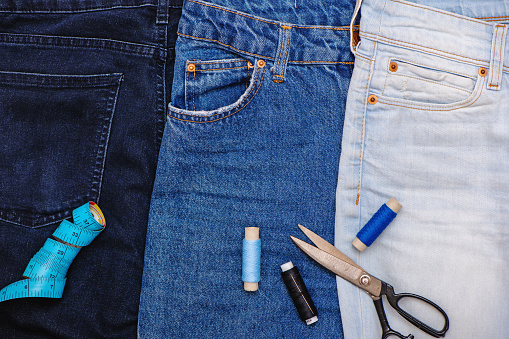
Upcycling is a great way to show your commitment to the planet and get creative, all while saving lots of dough. From turning an old pair of jeans into a stylish skirt or creating unique decor out of T-shirts - upcycling clothes process can help you make one-of-a-kind pieces that are sure to impress! Check out our top 7 tips for getting started with creatively repurposing branded clothing today. 

Getting Creative With Repurposing and Upcycling Clothes

Image
Repurposing and upcycling clothes is a great way to get creative with your wardrobe while also helping the environment. It’s an eco-friendly way to extend the life of your clothing and give it a new spin that you can make your own!   What are Repurposing and Upcycling? Repurposing and upcycling involve taking existing items, such as clothing, and transforming them into something else. For example, you may take an old pair of jeans and turn them into a skirt or shorts. Or, you could take a t-shirt that you don’t wear anymore and turn it into a headband. The possibilities are endless! The Benefits of Repurposing/Upcycling Clothing Repurposing and upcycling clothing can be incredibly rewarding. You’re not only giving new life to an item that may have otherwise been discarded, but you’re also creating something unique for yourself. Not only does this save money (because you don’t have to buy new items), but it also helps reduce the amount of waste created by fashion production. Plus, r...

10 Tips to Reduce Waste Through Recycling

Image
With Earth Day just around the corner, it’s a great time to think about ways we can reduce our waste and do our part for the planet. One of the most effective ways to minimize your carbon footprint is by recycling as much as possible. Here are ten tips for incorporating recycling into your daily routine that will help you make a positive impact on the environment. Tip 1: Know What Can Be Recycled – Not all materials can be recycled, so it’s important to understand which items can go in your standard recycling bin or should be taken to a specific facility for disposal. Your local municipality should have information available online with details on what is accepted and where you can take special items. Tip 2: Separate Your Trash – If you have access to curbside pickup, sorting your trash into separate bins before taking it out is a good way to ensure everything gets disposed of properly. Have one bin for regular landfill items, one for recyclable materials, and one for special items...

Repurposing and Upcycling Clothes: A Sustainable Alternative to Shopping New

Image
In a world of fast fashion, with clothing made from unsustainable materials and created in unethical working conditions, finding sustainable alternatives to shopping new can be challenging. Fortunately, there is an easy solution: repurposing and upcycling clothes . Not only does this practice help the environment by reducing textile waste and pollution, but it also helps save money. Let's explore how repurposing and upcycling clothes is a great way to go green while looking good.   What Is Upcycling? Upcycling involves taking an existing item of clothing or fabric and making it into something better than before. For example, you can take an old t-shirt and turn it into a dress or skirt, or you can take an old pair of jeans and transform them into shorts. The possibilities are endless! By upcycling your clothes, you’re not only giving them a second life but also getting creative with fashion design. What Is Repurposing? Repurposing is similar to upcycling in that it involves taking ...